Nursing and Residential Care: Understanding the Difference and Choosing the Right Support
As people age or face complex health challenges, families often begin exploring long-term care options. Two of the most common forms of support are nursing and residential care, both of which provide a safe environment and professional assistance for individuals who can no longer live independently.
Understanding the differences between these two types of care is essential when deciding what is best for a loved one. While both options focus on wellbeing, dignity, and comfort, the level of medical support and day-to-day care can vary. In this guide, we explain what nursing and residential care involve, how they differ, and how they support individuals in maintaining a fulfilling quality of life.
What Is Residential Care?
Residential care is designed for individuals who require help with everyday activities but do not need continuous medical supervision from qualified nurses. Residents live in a comfortable and supportive environment where trained care staff assist with daily routines while encouraging independence.
Residential care typically includes support with:
- Washing and personal hygiene
- Dressing and grooming
- Mobility and movement
- Medication reminders
- Meals and nutrition
- Social activities and companionship
The aim of residential care is to provide a safe, welcoming environment where individuals can enjoy community living, maintain routines, and receive assistance when needed. For many older adults, residential care offers reassurance, companionship, and the opportunity to remain active and socially engaged.
What Is Nursing Care?
Nursing care provides a higher level of support for individuals who have more complex medical needs. In nursing care settings, registered nurses are available around the clock to monitor health conditions and deliver clinical support.
Services within nursing care may include:
- Managing chronic medical conditions
- Administering medication
- Wound care and recovery support
- Monitoring vital signs and health changes
- Coordinating with doctors and healthcare specialists
Because of the medical expertise available, nursing care is often suitable for individuals recovering from surgery, living with neurological conditions, or managing long-term health issues. When exploring nursing and residential care, understanding the level of healthcare support required is a key factor in making the right choice.
The Key Differences Between Nursing and Residential Care
Although nursing and residential care share many similarities in terms of providing accommodation, meals, and personal support, the primary difference lies in the availability of medical professionals.
Residential care homes provide assistance with daily living and focus heavily on maintaining independence and social wellbeing. Nursing homes, on the other hand, offer all the benefits of residential care but with the addition of 24-hour medical support from qualified nurses.
For individuals who require ongoing monitoring or treatment, nursing care can provide the reassurance that professional healthcare is always available.
Who Can Benefit from Nursing and Residential Care?
Both types of care are designed to support individuals whose needs have changed over time. People who may benefit from nursing and residential care include:
- Older adults who require assistance with daily activities
- Individuals living with long-term health conditions
- People recovering from illness, injury, or surgery
- Those experiencing reduced mobility or frailty
- Individuals needing ongoing medical supervision
Choosing between these options often depends on the individual’s health condition, level of independence, and the type of support required on a daily basis.
The Importance of Personalised Care
Every individual has unique needs, preferences, and routines. That is why personalised care plans are a fundamental part of high-quality nursing and residential care.
Personalised care ensures that support is tailored to each resident’s lifestyle, health requirements, and personal preferences. It allows care providers to adapt as needs evolve, ensuring residents always receive the right level of support.
This approach also helps residents maintain a sense of independence and familiarity, which can be incredibly important for emotional wellbeing.
Creating a Comfortable and Supportive Environment
A high-quality care home should feel welcoming, safe, and supportive. Beyond the essential care services, the environment itself plays an important role in residents’ wellbeing.
Comfortable living spaces, peaceful gardens, and opportunities for social interaction all contribute to a positive living experience. Activities, communal areas, and shared experiences help residents build friendships and maintain a sense of community.
At St Michael’s Care Home in Westgate-on-Sea, residents benefit from both professional support and a warm, homely atmosphere. Nestled between scenic golf courses and the sea, the home offers thoughtfully designed rooms filled with natural light and beautiful garden views.
Residents are encouraged to personalise their rooms with familiar belongings, helping them feel comfortable and truly at home.
Nursing and Residential Care at St Michael’s
At St Michael’s, our team understands that choosing care for a loved one is a deeply personal decision. That is why we provide compassionate nursing and residential care tailored to each resident’s individual needs.
Our experienced team of carers and nurses is available 24 hours a day, ensuring residents receive continuous support, whether they require assistance with daily living or more complex medical care. Each resident benefits from a personalised care plan designed around their health requirements, preferences, and routines.
We also support residents’ overall wellbeing by facilitating access to specialist services such as audiology, chiropody, and other healthcare professionals.
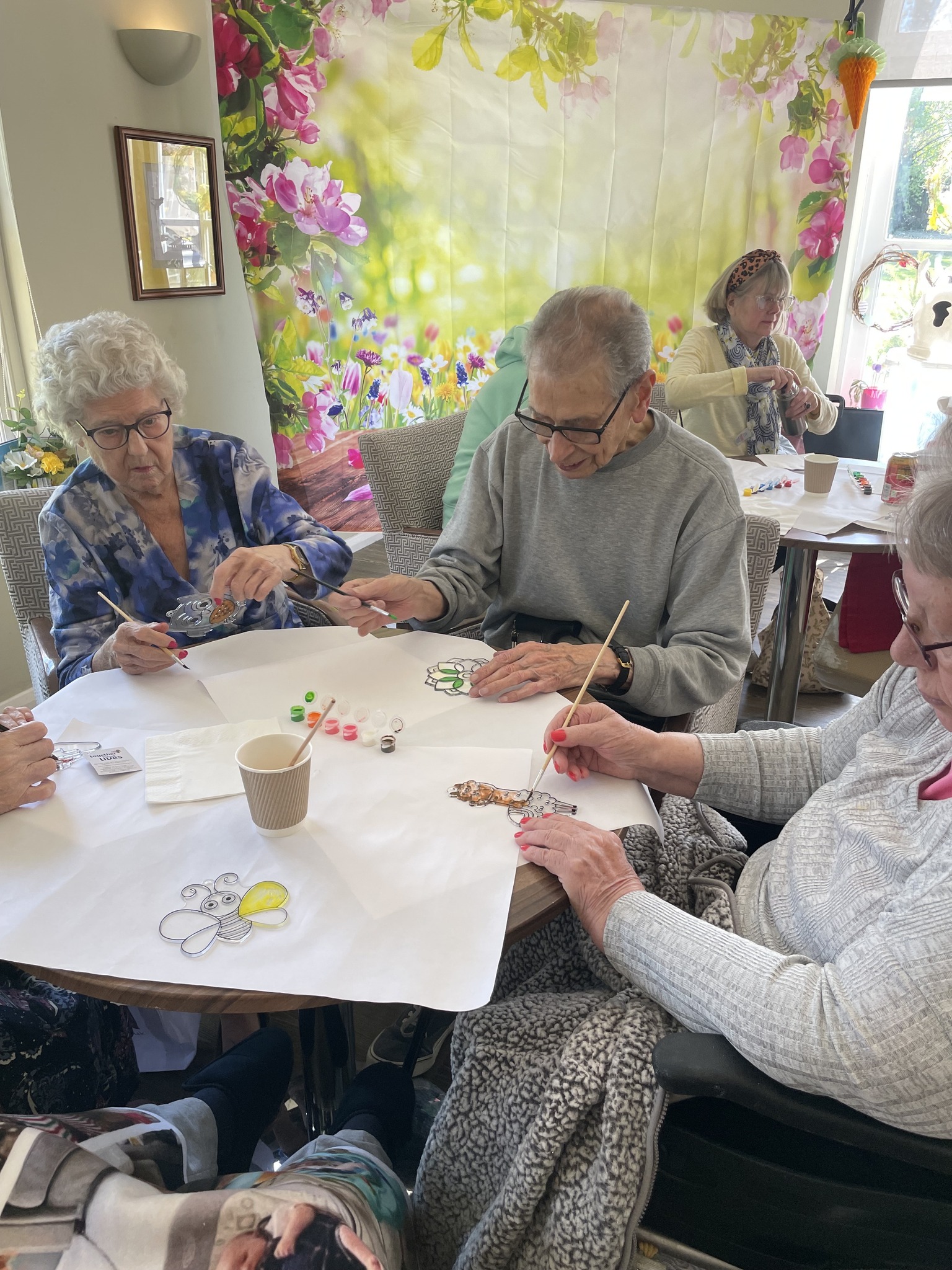
Alongside professional care, we provide a vibrant and engaging environment with social activities, comfortable communal spaces, and tranquil gardens. Residents can enjoy time in the lounge, participate in activities, watch films in the cinema room, or spend quiet moments in the chapel for reflection and worship.
Choosing the Right Care Option
Selecting the right type of care involves considering both current needs and how those needs may change over time. Families should look for care providers with experienced staff, strong regulatory ratings, and a clear commitment to dignity, safety, and wellbeing.
By choosing a care home that offers personalised support, compassionate staff, and a welcoming environment, families can feel confident that their loved one is receiving the care they deserve.
Ultimately, nursing and residential care are about far more than providing support with daily tasks. They are about creating a safe, respectful, and nurturing environment where individuals can continue to live comfortably, maintain their independence, and enjoy meaningful daily life. Get in touch or arrange a tour to find out more about our Thanet Care Home.