
What Is a Nursing Home? A Guide for Families Exploring Care Options
When families begin researching long-term care for a loved one, one of the most common questions they ask is: what is a nursing home? Understanding how nursing homes work and what they offer can help families make confident decisions about care and support.
A nursing home provides a safe and supportive environment for individuals who require ongoing medical care alongside help with daily living. These facilities combine professional healthcare with personal support, ensuring residents receive the attention they need while maintaining dignity and quality of life. In this guide, we explain what is a nursing home, what services they typically provide, and how they support residents’ wellbeing.
What Is a Nursing Home?
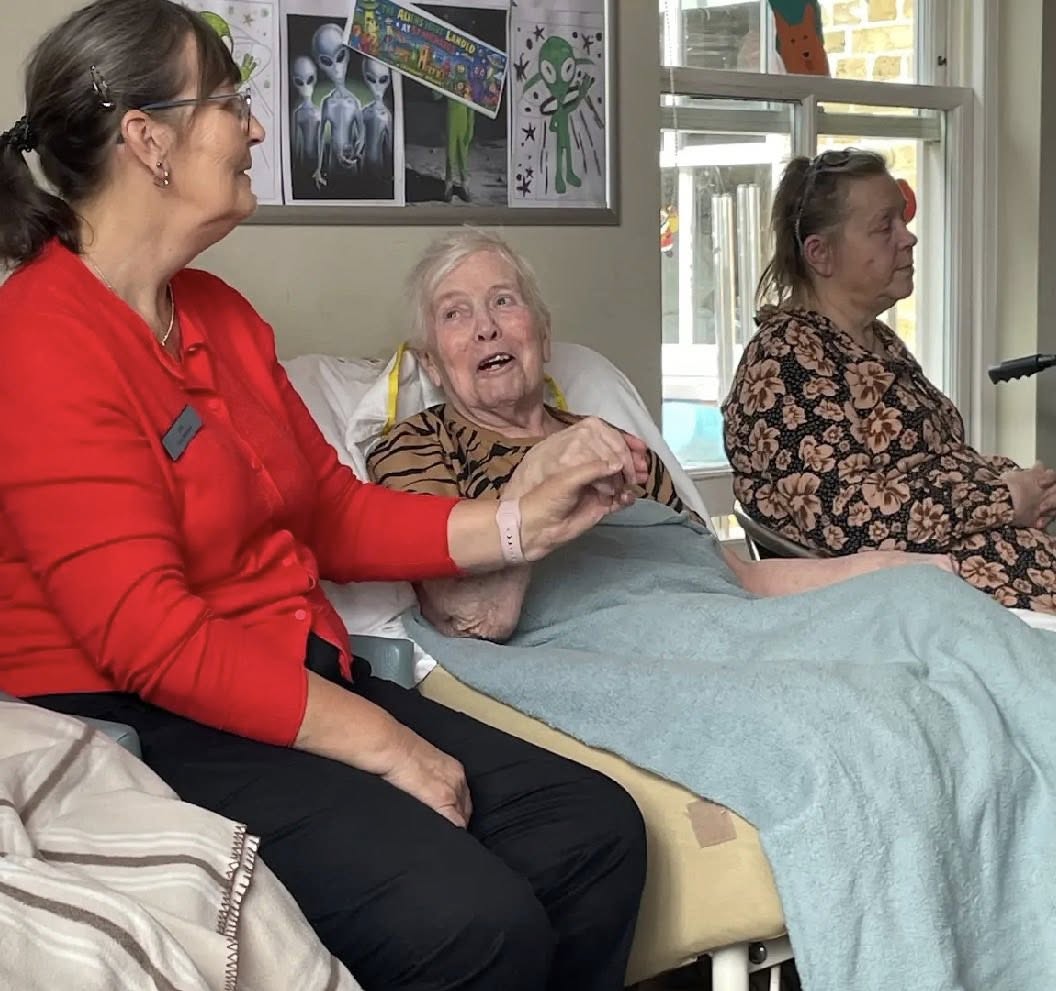
At its core, the answer to what is a nursing home is quite simple. A nursing home is a residential care setting that offers 24-hour medical care and support for individuals who have complex health needs or require ongoing supervision from qualified nurses.
Unlike standard residential care homes, nursing homes have trained nursing staff on site at all times. This allows them to provide a higher level of medical support, including medication management, wound care, monitoring health conditions, and responding quickly to any changes in a resident’s health.
Nursing homes are designed to support people who may no longer be able to live safely or comfortably at home due to illness, disability, or age-related challenges.
What Services Do Nursing Homes Provide?
Understanding what is a nursing home also involves looking at the range of services these facilities provide. While services vary between homes, most nursing homes offer a combination of medical, personal, and social support.
24-Hour Nursing Care
The defining feature of a nursing home is the presence of qualified nurses available around the clock. These professionals monitor residents’ health and provide essential medical care such as:
- Administering medication
- Managing chronic health conditions
- Monitoring vital signs
- Providing wound care
- Coordinating with doctors and healthcare specialists
Having continuous nursing support ensures that residents receive timely care and medical supervision whenever it is needed.
Personal Care and Daily Support
Many residents also require help with everyday activities. Nursing homes typically provide personal care assistance with:
- Washing and bathing
- Dressing and grooming
- Mobility and transfers
- Eating and hydration
- Toileting support
This daily support helps residents maintain comfort, dignity, and independence wherever possible.
Specialist Care
Another important aspect of understanding what is a nursing home is recognising the specialist support many facilities provide. Nursing homes often care for individuals living with complex medical conditions such as:
- Parkinson’s disease
- Stroke recovery
- Diabetes
- Neurological conditions
- Cancer
- Palliative care needs
Trained professionals ensure residents receive appropriate medical and emotional support tailored to their condition.
Social Activities and Wellbeing
While medical care is essential, a nursing home is also a place where residents can continue to enjoy life and social interaction. Many homes offer activity programmes designed to support mental wellbeing and community engagement.
These activities may include:
- Group exercise or gentle movement sessions
- Arts and crafts
- Movie screenings
- Social gatherings
- Religious services
- Garden walks and outdoor activities
A balanced approach that combines medical support with social engagement helps residents maintain a fulfilling lifestyle.
Who Might Need a Nursing Home?
When considering what is a nursing home, it is also helpful to understand who typically benefits from this type of care.
Nursing homes are suitable for individuals who:
- Require regular medical supervision
- Have complex or multiple health conditions
- Need assistance with daily living tasks
- Are recovering from serious illness or surgery
- Can no longer live safely at home
For families, a nursing home can provide reassurance that their loved one is receiving professional care in a safe and supportive environment.
The Difference Between Residential Care and Nursing Homes
Many people researching care options ask about the difference between residential care homes and nursing homes.
Residential care homes provide accommodation, meals, personal care, and social support but do not usually have qualified nurses on site at all times.
By contrast, the answer to what is a nursing home includes a higher level of medical care. Nursing homes employ registered nurses who are able to manage complex health conditions and provide ongoing medical supervision.
This distinction helps families determine which type of care best suits their loved one’s needs.
Personalised Care and Quality of Life
A key aspect of a high-quality nursing home is personalised care. Every resident has unique health requirements, preferences, and routines. Care providers create individual care plans to ensure support is tailored to each person.
At St Michael’s Care Home in Westgate-on-Sea, residents benefit from personalised care plans developed by experienced medical professionals. The team provides 24-hour nursing support while also focusing on emotional wellbeing, independence, and social engagement.
Located between the sea and scenic golf courses, St Michael’s offers a warm and welcoming environment where residents can feel comfortable and supported. With thoughtfully designed rooms, peaceful gardens, and inviting communal spaces, residents are encouraged to maintain routines and enjoy daily life.
In addition to nursing care, residents have access to specialist services such as audiology, chiropody, and other healthcare professionals to ensure every aspect of their wellbeing is supported.
Choosing the Right Nursing Home
Selecting a nursing home is an important decision for families. When exploring options, it is helpful to consider factors such as:
- Care Quality Commission (CQC) ratings
- Staff experience and qualifications
- Personalised care plans
- Facilities and amenities
- Social activities and wellbeing programmes
- The overall atmosphere and sense of community
Homes with strong quality ratings and compassionate staff can provide both excellent care and peace of mind for families.
Final Thoughts
So, what is a nursing home? It is a residential care setting that combines professional medical care with personal support, ensuring individuals with complex health needs receive safe, compassionate assistance around the clock.
By offering nursing expertise, personalised care plans, and opportunities for social engagement, nursing homes provide a supportive environment where residents can live comfortably and with dignity. For many families, choosing a nursing home ensures their loved one receives the high-quality care they deserve while continuing to enjoy a meaningful and fulfilling life. Contact us to find out more about our care home or arrange a visit and get a feel for our home.